About Us · History
Before spirit entered oak
Oak had already entered Waterford. The story of a harbour city, from the first settlement on its rivers to the return of whiskey.
Eight centuries
Evidence before story
This is the history of a city before it is the history of a whiskey. Where a date is documented, we give it. Where the record is uncertain, we say so, and name the century rather than invent a year.
-
c. 853
The harbour is settled
The Vikings establish a permanent settlement at Waterford, recognising the strategic value of the harbour and river system.
-
1170
A Norman city
The arrival of the Normans transforms Waterford into one of Ireland's principal medieval cities.
-
Early 13th century
The charters
Royal charters recognise Waterford's growing importance as a centre of trade and civic administration.
-
14th–15th centuries
An Atlantic port
Merchant families make Waterford one of Ireland's leading Atlantic ports. Wine from Bordeaux, La Rochelle, Porto and northern Spain becomes central to its prosperity.
-
15th century
The merchant princes
Peter Rice and the merchant dynasties shape the commercial identity of the city. The Mayor's Wine Vault is built beneath its streets.
-
16th–17th centuries
The barrel
Atlantic commerce expands and the barrel becomes the common language of trade. Waterford remains Ireland's gateway for imported wines and fine goods.
-
18th century
Brewing and distilling
Brewing and distilling become a significant part of Waterford's commercial life. Merchant traditions turn into industrial enterprise.
-
1792
Brewing on this site
William Strangman founds a brewery on this site. An announcement dated 14 February 1792 says he has “begun the production of strong ale and beer”.
-
19th century
A city of industry
Cherry Brothers, Downes and others build Waterford's name for manufacturing, brewing and innovation.
-
1888
Davis, Strangman & Co.
The brewery on this site becomes a limited company, Davis, Strangman & Co.
-
20th century
Change on the quays
Industry, trade and shipping change. The city's relationship with craftsmanship and exchange continues.
-
1955
Cherry's Brewery
Guinness reopens the brewery on this site as Cherry's Brewery. It closes in 2002.
-
2015
First spirit on the site
On 9 December 2015 the first spirit distilled in Waterford for 200 years is made on this site.
-
21st century
Whiskey returns
Waterford is known around the world for Irish whiskey once again. A new chapter, continuing the story rather than replacing it.
The Waterford Book · Book I
The Atlantic Merchant
How geography created opportunity, how opportunity became trade, and how trade became identity. Six chapters, each opened by an object.
-
Chapter I · The barrel
The city built by barrels
How an ordinary object carried Waterford’s trade, and its trust, across the Atlantic.
-
Chapter II · The merchant ship
The wine tide
Every autumn, ships from Bordeaux followed the tide into Waterford Harbour.
-
Chapter III · The harbour
Where three rivers meet the sea
The Suir, the Barrow and the Nore decided where the city would stand.
-
Chapter IV · The merchant's ledger
The merchant princes
Peter Rice and the families who built a city on confidence rather than wealth.
-
Chapter V · The iron key
The vault beneath the city
The Mayor’s Wine Vault, and the patience of cool limestone.
-
Chapter VI · The royal seal
The great charter
When the Crown recognised what the city had already become.
From the archive
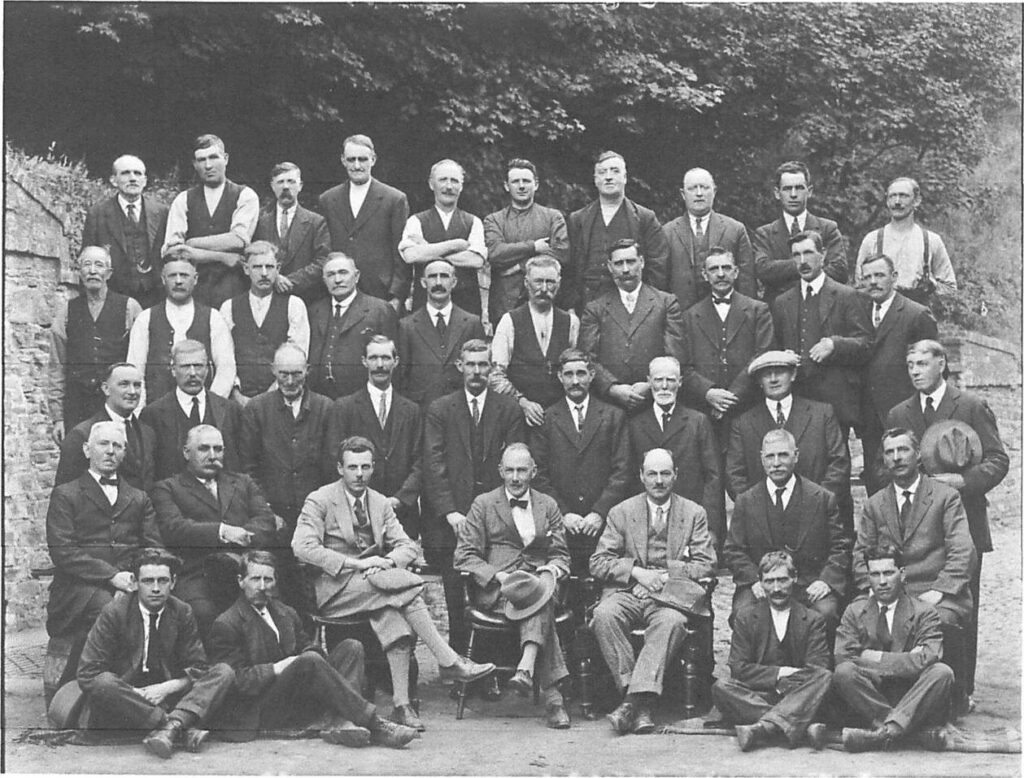
Brewers on Mary Street
On 6 August 1926 the workforce of Davis, Strangman & Co., brewers on Mary Street, gathered in the yard for a photograph. Brewing was part of the working life of this part of the city long before whiskey returned to it.
Davis, Strangman & Co. workforce, 6 August 1926
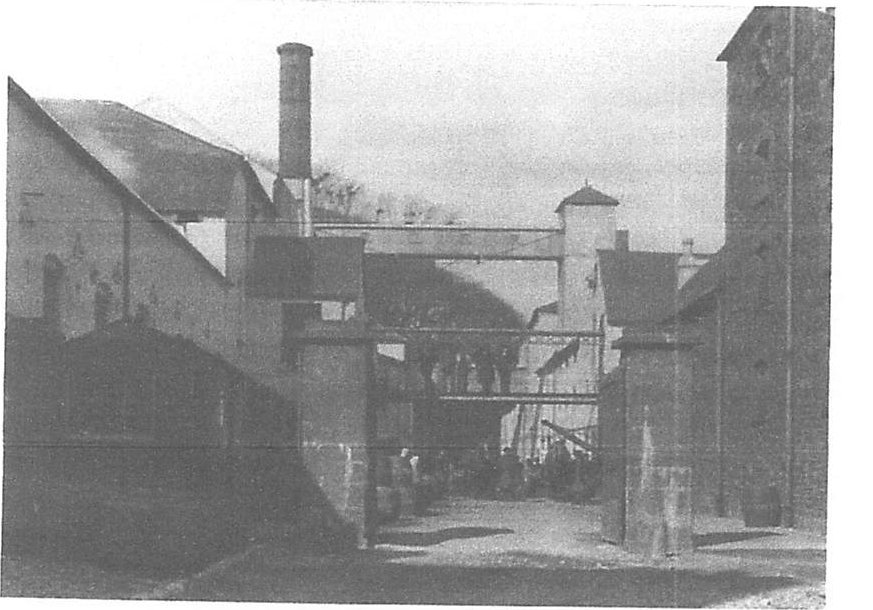
Long before oak matured spirit, oak matured Waterford.
The Waterford Book · Chapter I
The story continues
Still to be written
-
Book II
The Phoenix
The industrial city: brewing, engineering, Cherry Brothers, and Waterford’s resilience through change.
-
Book III
Waterford Irish Whiskey
Inheritance and stewardship. The return of whiskey as the continuation of a story rather than the beginning of one.
See where the story continues, on the quay.